
The Benefits of Installing Accessible Showers for Aging in Place
Aging in place allows older adults to remain in a familiar home while adapting the space to meet changing mobility, comfort, and safety needs. Bathrooms are often one of the most important areas to update because everyday routines can become more difficult when fixtures are hard to enter, surfaces are slippery, or movement is limited. Accessible showers can help make bathing easier while supporting greater independence and reducing unnecessary obstacles.
For many homeowners, planning ahead is just as important as responding to current needs. A bathroom that works well today may become challenging later, especially if stepping over a high tub wall or balancing on wet flooring becomes difficult. By making thoughtful changes before mobility concerns become urgent, homeowners can create a space that remains practical, comfortable, and easier to use over time.
Improving Bathroom Safety
One of the primary benefits of accessible showers is the opportunity to reduce common bathroom hazards. Traditional tubs and showers often require users to step over a raised threshold, which can be difficult for people with limited balance, flexibility, or leg strength. A lower-entry or barrier-free design reduces the need for large stepping movements and can make entering and exiting the shower more manageable.
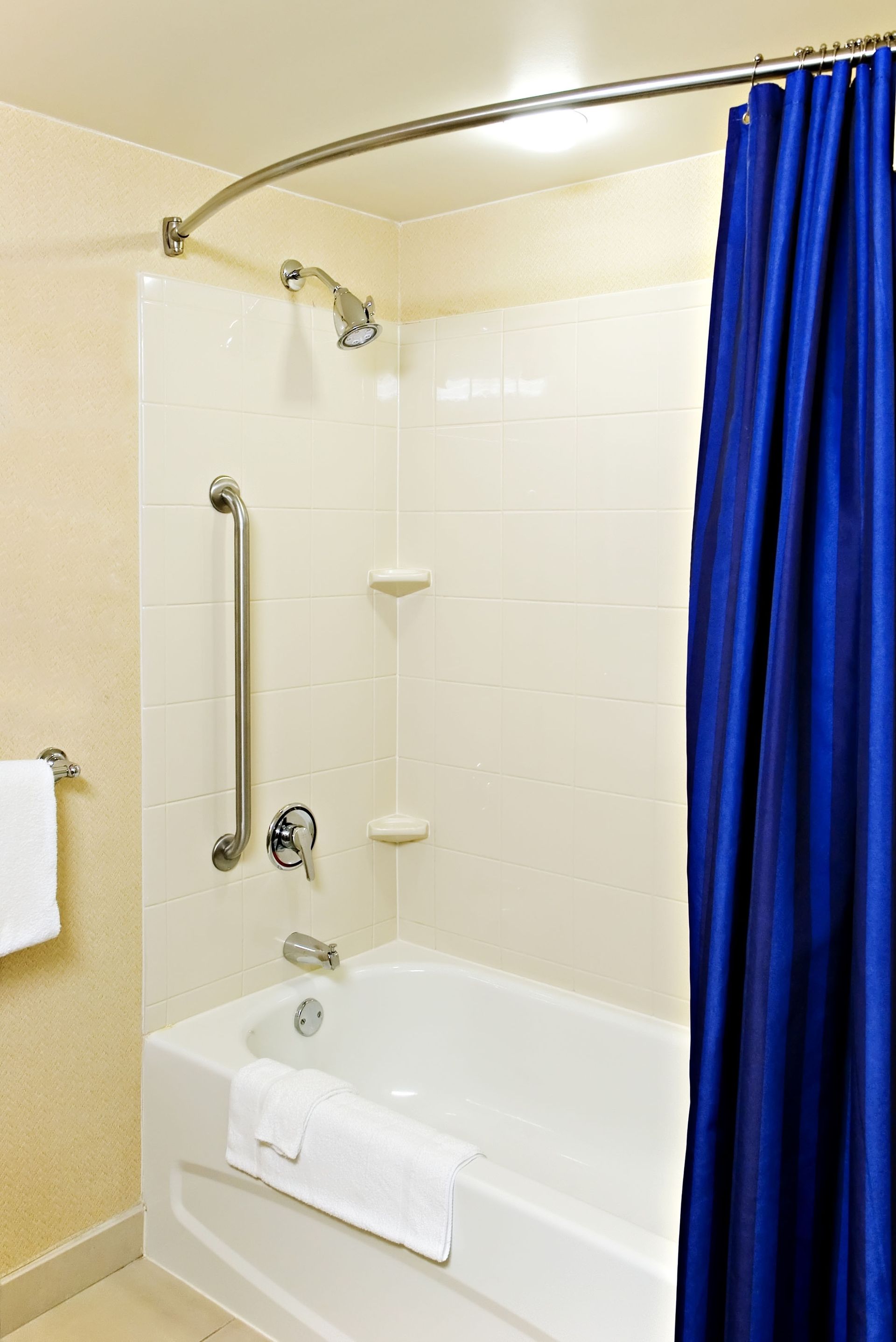
Other safety-focused features may include grab bars, slip-resistant flooring, built-in seating, and handheld showerheads. These additions can help users maintain stability and complete bathing tasks with less strain. When incorporated into the overall design, they can also make the shower feel intentional rather than clinical.
Lighting and visibility are important as well. A well-lit shower area can make it easier to see edges, controls, and changes in floor level. Together, these improvements create a safer bathing environment that supports everyday use without requiring major changes to a person's routine. Strategic drainage design can further reduce standing water that may contribute to slippery conditions.
Supporting Greater Independence
Accessible showers can make it easier for older adults to complete personal care tasks independently. When a shower is designed around easier access, users may need less assistance with entering, exiting, standing, or reaching controls. This can help preserve privacy and make daily routines feel more comfortable.
Features such as adjustable handheld showerheads allow users to direct water where needed without excessive reaching or turning. Built-in or fold-down seating provides an option for people who become tired while standing. Easy-to-operate controls can also reduce frustration for users with limited hand strength or dexterity.
This added sense of control can make routine personal care more convenient each day. Independence can be especially important for homeowners who want to remain in their homes for many years. A bathroom that accommodates changing abilities may reduce the need for future modifications and help the home continue supporting everyday routines.
Planning for Long-Term Needs
Aging-in-place remodeling is becoming increasingly relevant as older homeowners invest more in their homes. According to Five Star Bath Solutions, homeowners age 65 and older now account for 27.2% of all remodeling spending, surpassing younger age groups. This trend reflects the growing importance of home improvements that support comfort, usability, and long-term living.
Accessible showers can be part of a broader plan to make the home easier to navigate over time. Even homeowners who do not currently have mobility concerns may benefit from features that reduce physical effort and improve convenience. Planning early can also help homeowners avoid rushed renovations after an injury, illness, or sudden change in mobility.
Long-term planning may include considering doorway width, bathroom layout, shower dimensions, and the placement of fixtures. Homeowners can also consider how future mobility aids may fit within the available space. A well-designed shower can work with these other elements to create a bathroom that remains functional through different stages of life.
Increasing Everyday Comfort
Accessibility improvements are not limited to safety. Accessible showers can also make bathing more comfortable for people of many ages and ability levels. A spacious shower area provides more room to move, while seating offers a place to rest or complete tasks that are difficult while standing.
Handheld showerheads can make rinsing easier and may be useful for washing hair, assisting another person, or cleaning the shower itself. Convenient storage placed within easy reach can reduce bending, stretching, and twisting. Temperature controls that are easy to see and operate can also improve the overall bathing experience.
Comfort-focused choices can be especially useful for households where several generations share the bathroom. These design choices can make the bathroom feel more comfortable without sacrificing appearance. Homeowners can choose finishes, tile, hardware, and accessories that fit the style of the rest of the home while still prioritizing accessibility.
Reducing Future Renovation Needs
Installing accessible showers during a planned bathroom renovation can help homeowners prepare for future needs in one project. Instead of remodeling now and making major changes again later, homeowners can incorporate accessibility features from the beginning. This approach may simplify future maintenance and reduce the need for disruptive updates.
For example, adding reinforcement behind shower walls during construction can make it easier to install grab bars securely. Choosing a low-threshold or curbless design can eliminate the need to modify the entrance later. Selecting durable materials and easy-to-clean surfaces can also make the shower more practical for long-term use.
Thinking ahead does not mean every accessibility feature must be added immediately. Some homes can be prepared for future additions, allowing homeowners to make adjustments as their needs change. This flexibility can help balance current preferences with future planning.
Improving Bathroom Functionality
Accessible showers often improve the overall functionality of the bathroom. A better layout can create clearer pathways, reduce awkward movement, and make commonly used features easier to reach. These changes may also benefit caregivers, visiting family members, or anyone temporarily recovering from an injury. These changes can simplify routines for spouses, relatives, and caregivers who may occasionally provide assistance, making the bathroom more accommodating for everyone in the household.
A larger shower opening can provide more room for assistance if it is ever needed. Properly placed controls can be reached before entering the water, which helps users adjust the temperature without standing directly under the showerhead. Seating, storage, and grab bars can be positioned based on how the shower will actually be used.
Functionality also depends on how the shower fits within the rest of the bathroom. A thoughtful design considers the relationship between the shower, toilet, sink, doorway, and available floor space. The goal is to create a room that feels easier to move through and use every day.
Creating a More Adaptable Home
Accessible showers can make a home more adaptable for changing household needs. A bathroom designed for easier access may serve older adults, family members with disabilities, guests with mobility limitations, or people recovering from surgery or injury. This versatility can make the space useful for a wider range of circumstances.
Adaptable design can also help homeowners remain in control of future decisions. Instead of waiting until a bathroom becomes difficult to use, they can create a space that is already prepared for changing mobility or support needs. This can reduce stress and make aging in place feel more practical.
Choosing accessible showers is ultimately about creating a bathroom that supports safety, comfort, independence, and long-term use. With thoughtful planning, homeowners can make bathing easier today while preparing the home for the years ahead. Call Florence Winteriors today to schedule your accessible shower consultation.



































Share On: