
The Anatomy of a Kitchen Cabinet
In this article, we will delve into the intricate structure of kitchen cabinets, exploring their various components, materials, design styles, and installation. Understanding the anatomy of kitchen cabinets can aid in making informed choices for both functionality and aesthetics. Kitchen cabinets are a crucial part of any home, serving both functional and decorative purposes. From choosing the right materials to deciding on the appropriate design and style, every aspect of a kitchen cabinet requires careful consideration. By having a comprehensive understanding of their structure, homeowners and designers can ensure that the choices they make will enhance the overall kitchen experience.
Basic Structure of a Kitchen Cabinet
Cabinet Box
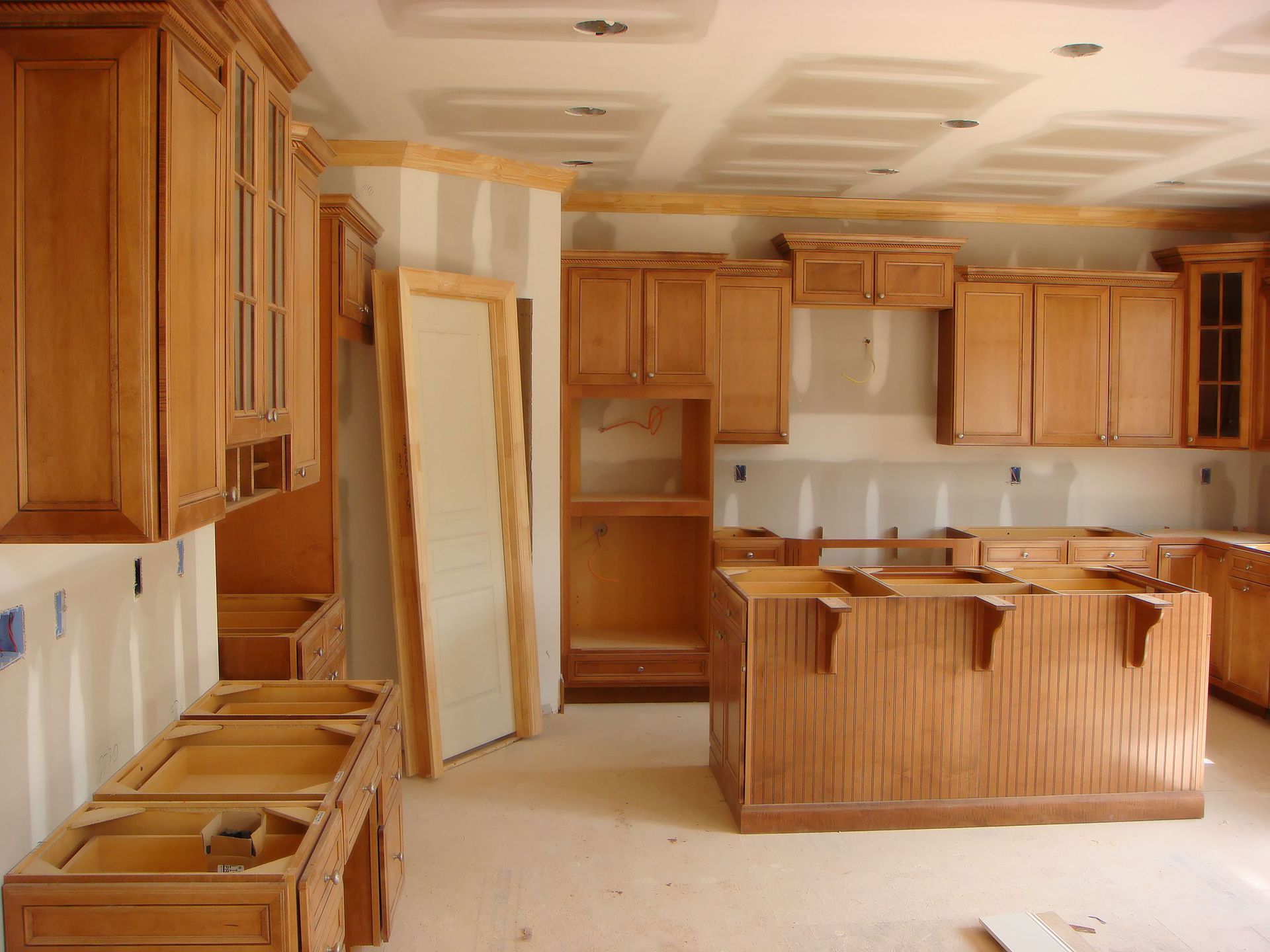
The cabinet box forms the essential frame that supports the entire cabinet system. This box is typically constructed from plywood or particleboard and provides the primary support for shelves, drawers, and doors. The strength and durability of the cabinet box depend on the quality of the materials used during construction. A well-crafted cabinet box ensures that the entire cabinet remains stable and can withstand the rigors of daily use. Considering its pivotal role, selecting the right material for the cabinet box is of utmost importance to extend the lifespan of kitchen cabinets.
Face Frame
The face frame is an additional layer of stability and aesthetics to the cabinet. It consists of horizontal and vertical wooden strips, known as rails and stiles, that attach to the front of the cabinet box. According to This Old House, on a well-built cabinet, the face-frame stiles and rails are joined with long tenons and deep mortises; where two pieces of wood meet, the joint line almost disappears. This method of joinery ensures that the face frame remains robust and visually seamless. The face frame also provides a surface for attaching doors and drawers, contributing to the cabinet's overall functionality.
Doors and Drawers
Cabinet doors and drawers play an essential role in defining the aesthetics and functionality of the kitchen. Doors come in various styles, such as shaker, raised panel, and slab, each contributing to a unique look. Drawers offer valuable storage space and can be customized with different organizing systems to keep kitchen items neat and accessible. A smooth and reliable mechanism for opening and closing drawers and doors is crucial for user convenience. The choice of hardware and materials for these components can greatly impact the cabinet's usability and appearance.
Shelving and Storage
Shelving within the cabinet provides essential storage space for kitchen items. Adjustable shelving allows flexibility in organizing items of varying sizes, making it easier to store pots, pans, and dishes efficiently. Some cabinets come with pull-out shelves or lazy Susans, which enhance accessibility and optimize space usage. Properly installed shelves should support significant weight without sagging, underscoring the importance of quality materials and workmanship. Thoughtful shelving design can dramatically improve the functionality of a kitchen cabinet, ensuring every inch is utilized efficiently.
Materials Used in Cabinet Construction
Types of Wood and Wood Alternatives
Traditional kitchen cabinets are often crafted from a variety of wood types, each offering different strengths and aesthetics. Popular choices include oak, maple, cherry, and birch, each bringing its own grain pattern and durability. Beyond wood, alternatives such as medium-density fiberboard (MDF) and laminate offer cost-effective and versatile options. These alternatives can imitate the look of real wood while providing resistance to warping and moisture. Selecting the right material involves balancing aesthetic preferences with practical considerations, such as durability and cost.
Metal Components
Metal components are pivotal to the functionality and durability of kitchen cabinets. These include hinges, drawer slides, and screws, which support the moving parts of the cabinet. Stainless steel and aluminum are frequently chosen for their strength, resistance to rust, and sleek appearance. High-quality metal components can make a significant difference in the longevity and ease of use of cabinet doors and drawers. As such, it's essential to ensure these elements are crafted and installed with precision.
Glass Inlays and Panels
Glass inlays and panels introduce a decorative and luxurious touch to kitchen cabinetry. They are available in various textures and designs, such as frosted, beveled, or colored glass, which can complement any design aesthetic. Beyond aesthetics, glass panels can make kitchens feel more open and airy by allowing light to pass through. However, they require careful handling and installation to prevent breakage and ensure safety. When used thoughtfully, glass elements can transform the appearance and mood of a kitchen space.
Finishing Techniques and Coatings
Finishing techniques and coatings play crucial roles in enhancing both the protection and appearance of a kitchen cabinet. Staining and painting are popular methods to achieve a variety of colors and finishes, adding personality to the kitchen space. Clear coatings such as lacquer, shellac, and polyurethane provide protective layers against moisture, scratches, and wear. The choice of finish can influence maintenance requirements and overall durability. It is vital to consider both aesthetics and practicality when selecting finishes for kitchen cabinetry.
Cabinet Hardware and Accessories
Hinges and Drawer Slides
High-quality hinges and drawer slides are essential for the smooth operation of kitchen cabinets. Soft-closing mechanisms have become a popular feature, preventing slamming and reducing wear on cabinet components. Full-extension slides offer greater visibility and access to the contents of a drawer, improving practicality and convenience. The choice of hardware plays a crucial role in determining the functionality and lifespan of cabinet doors and drawers. Selecting reliable and durable hardware ensures user satisfaction and minimizes the need for repairs.
Knobs and Pulls
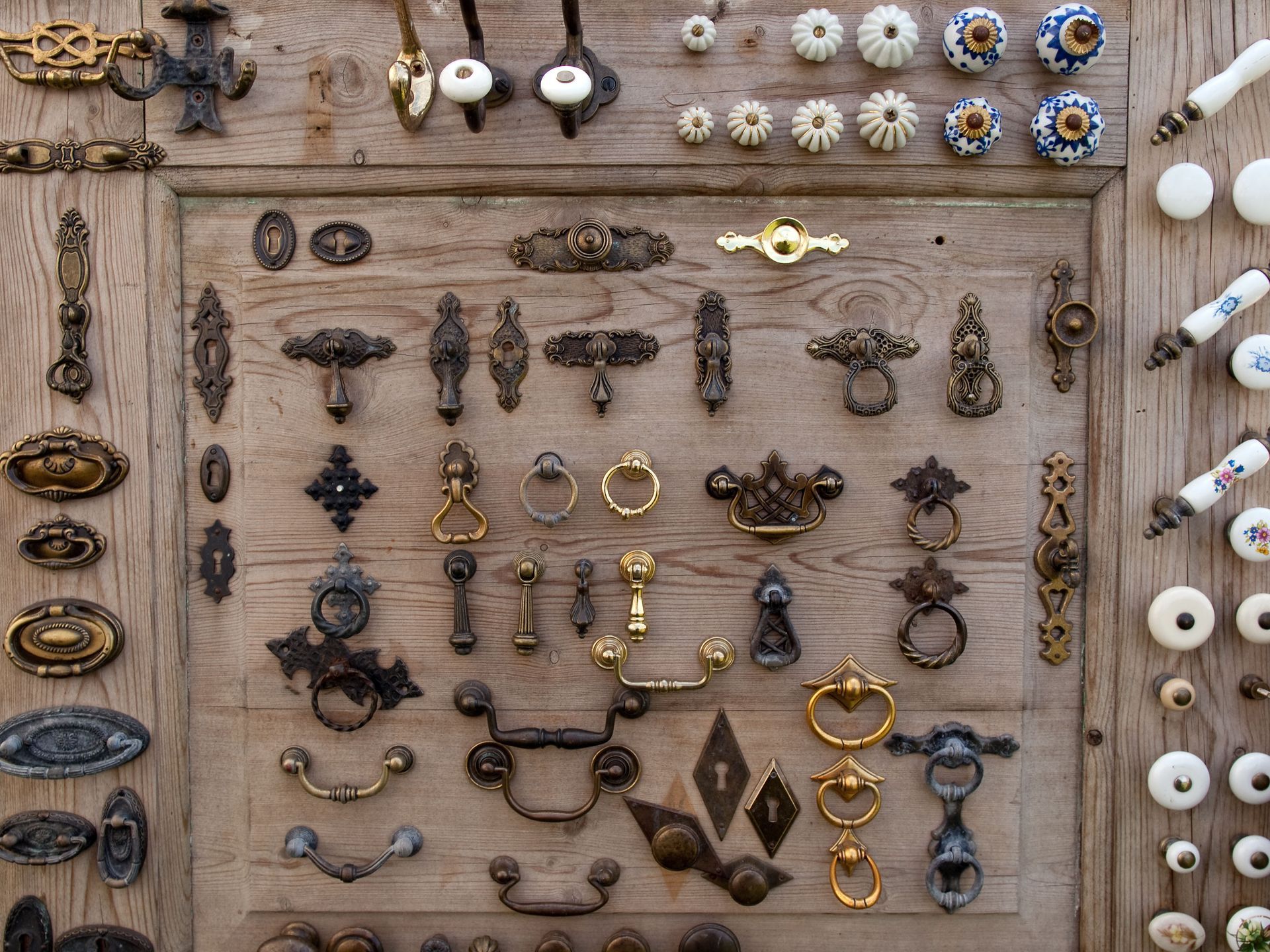
Knobs and pulls add a touch of personalization to kitchen cabinetry and can dramatically influence its overall look. Available in various materials such as metal, ceramic, and glass, they provide an opportunity to express individual style preferences. Functionality is as important as aesthetics when selecting knobs and pulls, ensuring they are comfortable to use and in keeping with the kitchen's design theme. Mixing styles, colors, and finishes can create eye-catching contrasts or a cohesive look throughout the kitchen. Regular updates to hardware are a cost-effective way to refresh the kitchen's appearance.
Internal Organizing Systems
Internal organizing systems transform kitchen cabinets into highly functional storage solutions. Features like adjustable dividers, pull-out baskets, and tiered shelving make it easier to categorize and access stored items. These systems can prevent clutter by providing dedicated spaces for utensils, pots, pans, and pantry items. A well-designed organizing system maximizes the use of space and simplifies cooking and cleaning processes. Investing in these systems can significantly enhance the utility and enjoyment of kitchen cabinets.
Specialty Storage Solutions
Specialty storage solutions cater to unique kitchen needs and preferences. Options such as vertical tray storage, corner pull-outs, and under-cabinet wine racks enhance both organization and elegance. Custom-designed solutions make optimal use of awkward spaces, ensuring every part of the kitchen is utilized effectively. These storage innovations contribute to a more organized and efficient kitchen environment. Tailoring storage solutions to the specific requirements of a household can greatly improve daily kitchen operations.
The anatomy of a kitchen cabinet encompasses various components and requires careful consideration of materials, design, and functionality. By understanding each aspect from construction to maintenance, homeowners and designers can create efficient and beautiful kitchen spaces that stand the test of time. Combining durable materials, innovative design, and practical features, modern cabinets offer both style and functionality, enhancing the kitchen environment. Whether embarking on a renovation or new build, applying knowledge about cabinet anatomy ensures that the final result meets aesthetic desires and practical needs alike. For a kitchen cabinet, call Florence Winteriors today.




































Share On: