
How to Mix and Match Cabinet Hardware Without Clashing
Choosing hardware is an important part of creating a cohesive and attractive kitchen or bathroom design. Knobs, pulls, handles, and hinges may seem like small details, but they can influence the overall appearance of cabinetry and the surrounding space. Combining different hardware styles can introduce visual interest, highlight specific features, and help a room feel more personalized. However, mixing finishes, shapes, and materials requires some planning to prevent the design from appearing disorganized. Homeowners can create a balanced look by considering the room's color palette, existing fixtures, and overall design style before making selections. Thoughtfully coordinated cabinets and hardware can complement countertops, backsplashes, lighting, and other interior elements. Whether updating an existing kitchen or planning a larger renovation, understanding a few basic design principles can make hardware selection easier. With a consistent approach, different hardware styles can work together without competing for attention.
Establish a Consistent Design Direction
Before selecting different hardware pieces, determine the overall style you want to achieve in the room. Modern interiors often feature clean lines, simple shapes, and understated finishes, while traditional spaces may incorporate decorative details and classic silhouettes. Transitional designs can combine elements from both approaches to create a balanced appearance. Cabinets provide a natural starting point because their door profiles, colors, and materials influence which hardware styles will complement the space. Flat-front doors, for example, may pair well with streamlined pulls, while raised-panel doors can accommodate more decorative options. Establishing a clear design direction helps narrow the choices and prevents unrelated styles from competing visually. You can still introduce variety by choosing different hardware shapes or finishes that share a common design characteristic. A consistent foundation allows individual details to stand out while maintaining an intentional overall appearance.
Combine Finishes With a Coordinated Palette
Mixing metal finishes can add depth and contrast to a kitchen or bathroom without making the design feel inconsistent. Brushed nickel, matte black, polished chrome, brass, and bronze each create different visual effects depending on the surrounding colors and materials. Instead of using every available finish, select two complementary options that support the room's existing palette. For example, matte black pulls can provide contrast against light cabinetry, while brushed brass knobs can introduce warmth to selected doors or drawers. The finishes do not need to match exactly, but they should look intentional when viewed together. Consider the colors of faucets, light fixtures, appliances, and other permanent features before finalizing your choices. Repeating a finish in more than one location can help connect different elements throughout the room. This approach creates variety while preserving a sense of visual continuity.
Balance Knobs and Pulls Across Surfaces
Using both knobs and pulls can create a practical and visually appealing combination when each type has a clear purpose. Knobs are often suitable for cabinet doors because they offer a compact appearance and are available in numerous shapes and finishes. Pulls can be convenient for drawers and larger doors because they provide more space for gripping. Applying this arrangement consistently helps establish a predictable pattern across the room. Cabinets with multiple door and drawer styles can benefit from hardware choices that reflect how each storage area is used. For example, smaller knobs may complement upper doors, while longer pulls can provide a more substantial look on wide drawers. You can introduce a different shape or finish in a specific area, such as an island, as long as the variation relates to the larger design. Balancing appearance with everyday functionality helps hardware feel like a natural part of the cabinetry.
Match Hardware Shapes to Cabinet Styles
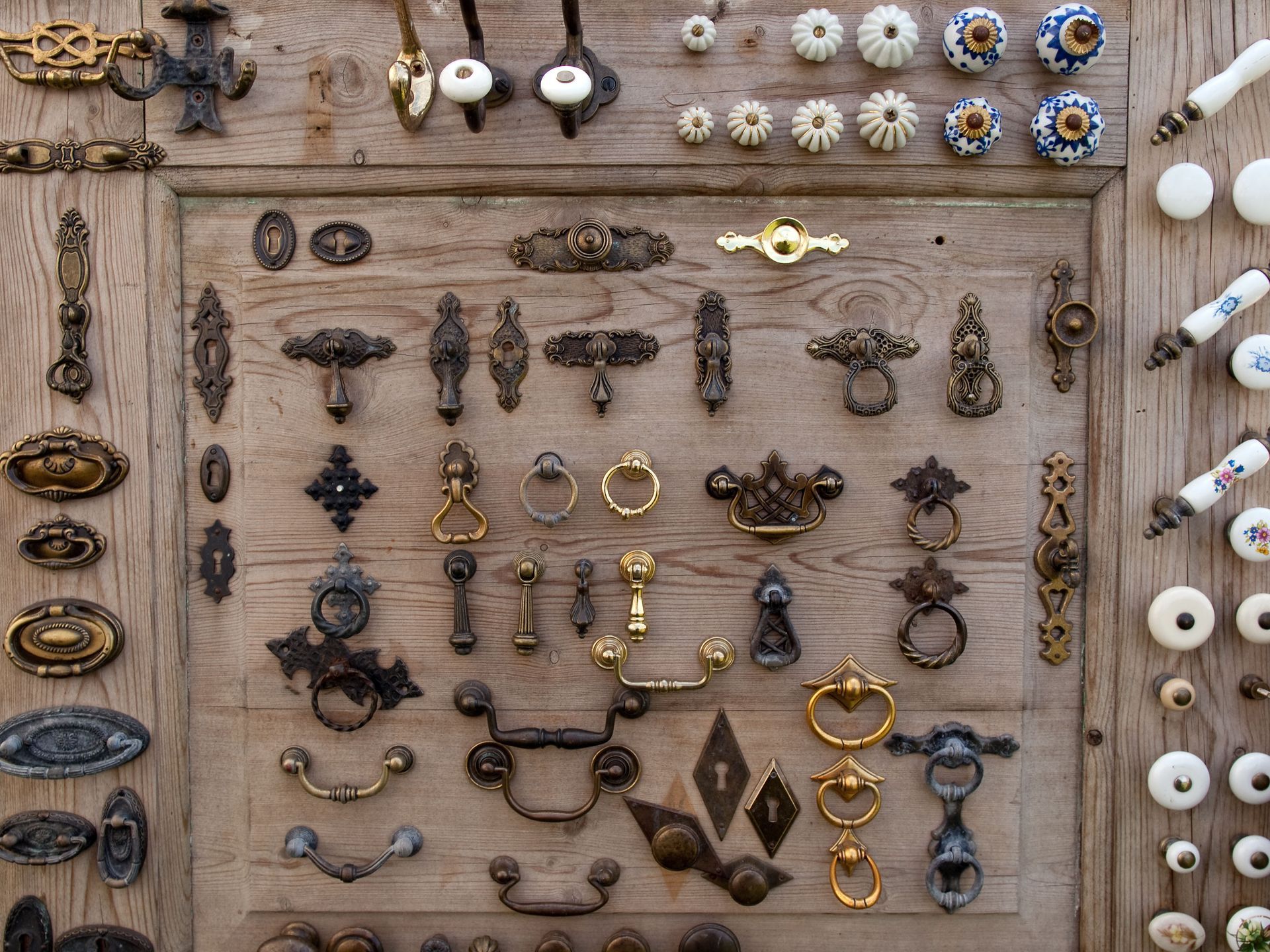
The shape of a handle or knob can influence how well it complements the surrounding cabinetry. Rounded knobs and curved pulls often soften the appearance of traditional interiors, while straight bar pulls can reinforce a more contemporary design. Square-edged hardware may complement flat-panel doors, whereas gently curved designs can work well with more decorative door profiles. When combining different shapes, look for shared characteristics such as similar proportions, clean lines, or related levels of ornamentation. These common elements help the pieces feel connected even when their silhouettes differ. According to Statista, nearly 40% of cabinet purchases consisted of prefabricated options featuring standardized sizes, shapes, and colors. This highlights the importance of considering existing cabinet dimensions and styles when choosing hardware. Selecting pieces that suit the proportions of each door and drawer can improve both appearance and usability. A coordinated approach ensures that hardware enhances the cabinetry instead of distracting from its design.
Create Contrast With an Accent Area
A designated accent area can provide an opportunity to experiment with different hardware without overwhelming the room. Kitchen islands, beverage stations, bathroom vanities, and built-in storage units are examples of places where a contrasting finish or style may work well. For instance, a kitchen with brushed nickel hardware throughout might feature matte black pulls on the island to establish a subtle focal point. The contrast becomes more effective when the accent relates to another element, such as a dark countertop, pendant light, or faucet. Avoid introducing several unrelated finishes in small areas because too many competing details can make the space feel busy. Instead, use the accent to highlight a specific feature or create a transition between different materials. Cabinets in the surrounding area should still relate to the room's overall design direction. A controlled contrast adds personality while keeping the overall composition balanced.
Consider Hardware Size and Proportion
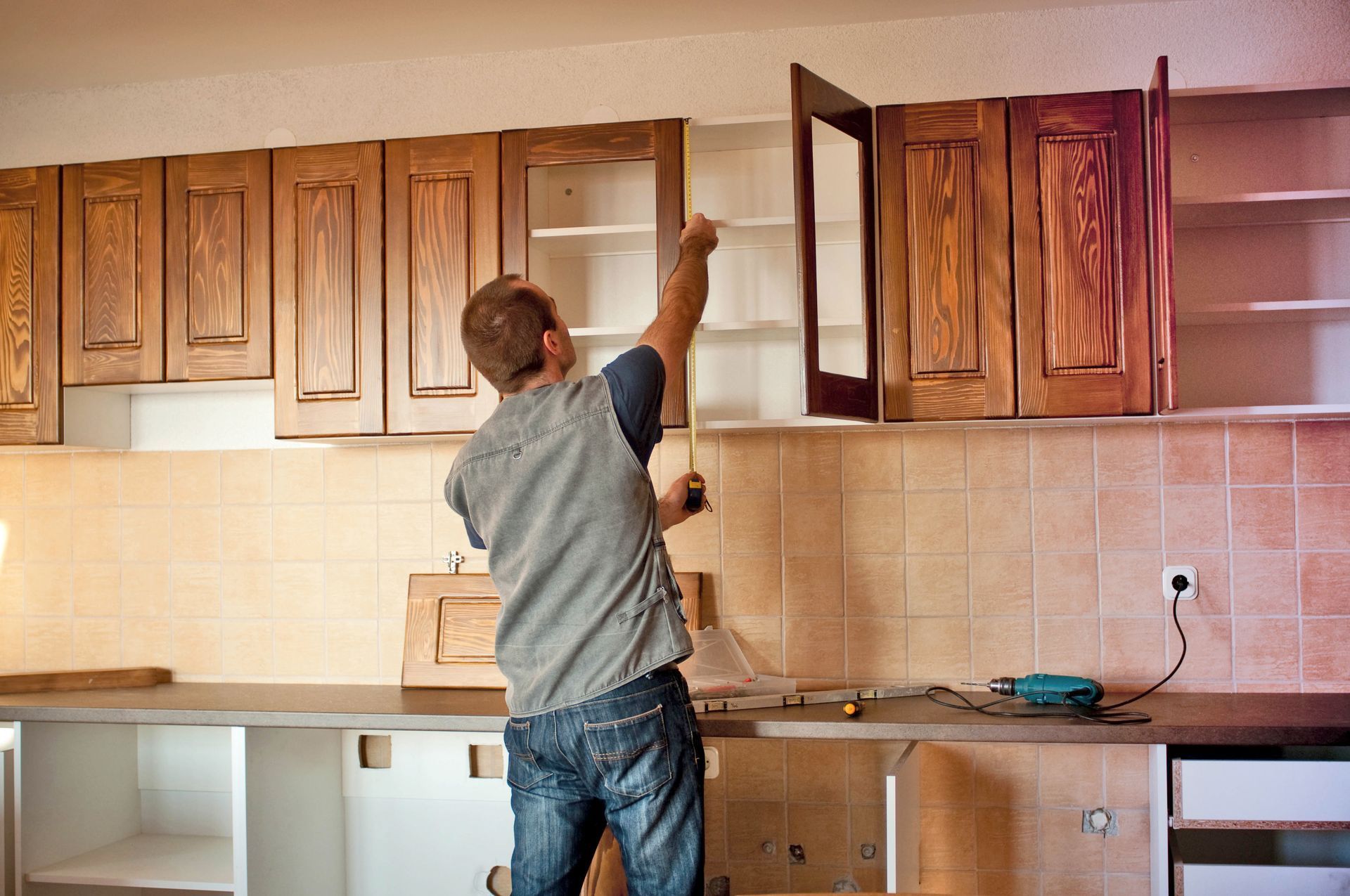
Hardware should be sized according to the dimensions of the cabinet doors and drawers it serves. Small knobs can become difficult to grip on large drawers, while oversized pulls may overwhelm narrow doors or delicate cabinet profiles. Longer pulls often suit wider drawers because their proportions complement the larger surface. Smaller handles can provide a more understated appearance on compact doors and shallow storage spaces. When mixing hardware styles, keeping the scale appropriate for each location helps maintain consistency across the room. Consider the spacing between neighboring handles as well, particularly where multiple drawers are stacked closely together. Hardware placement should allow comfortable access without creating unnecessary visual clutter. Taking measurements before purchasing helps prevent sizing mistakes and makes it easier to compare different options. Proper proportions contribute to a polished appearance while supporting everyday convenience.
Coordinate Hardware With Other Interior Elements
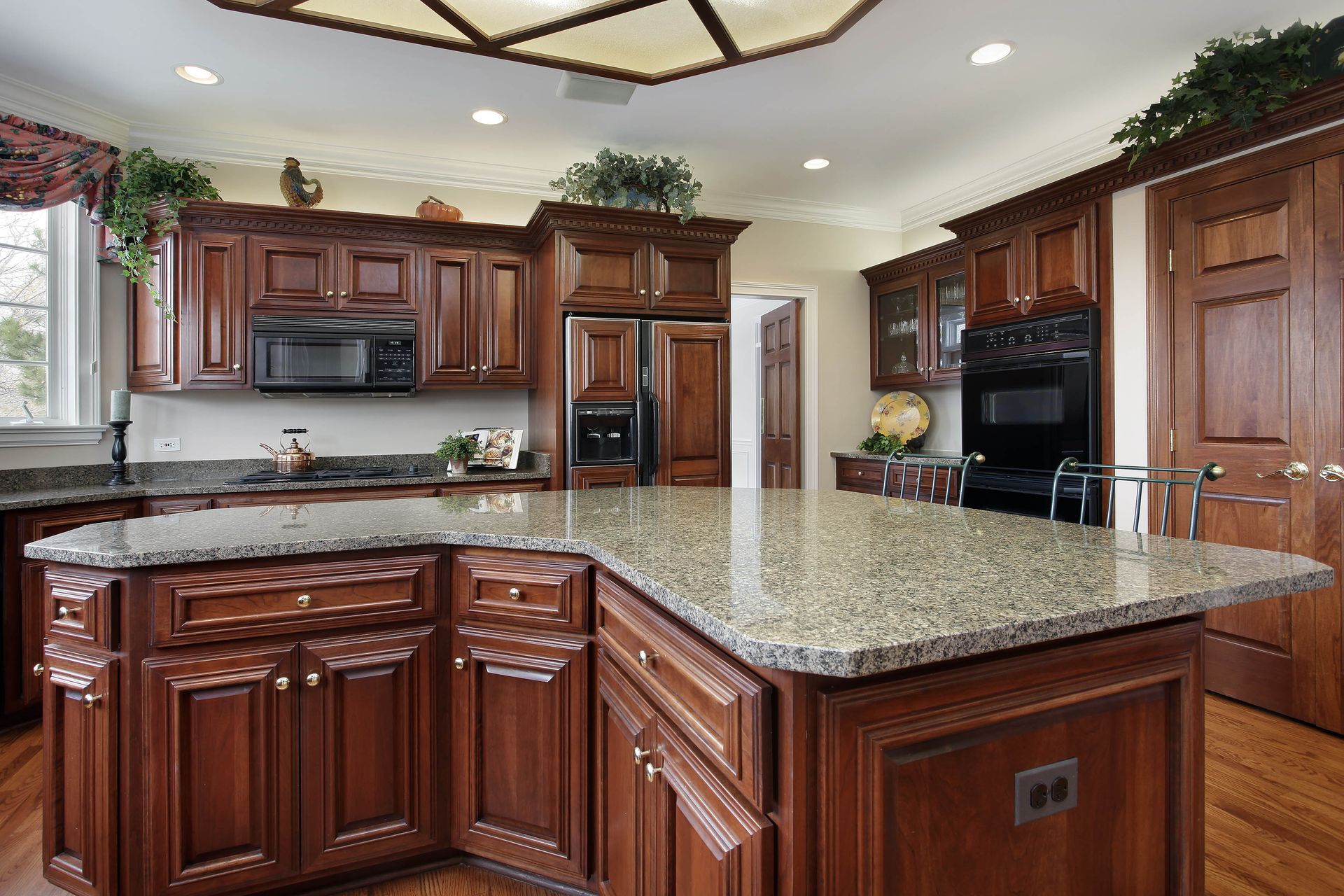
Cabinet hardware should work with the other materials and finishes already present in the room. Countertops, backsplashes, flooring, lighting, plumbing fixtures, and appliances all contribute to the overall visual composition. When selecting hardware, identify a few existing colors or materials that can guide your choices. Warm wood cabinetry may complement brass or bronze accents, while cooler gray finishes can pair naturally with chrome or brushed nickel. These combinations are guidelines rather than strict rules, so the final selection should reflect the room's complete appearance. Samples can be especially useful because metal finishes may look different under natural light and artificial lighting. Place the samples beside cabinet doors and nearby materials to see how the colors interact. Evaluating the combination in the actual space makes it easier to identify finishes that feel coordinated rather than competing.
Maintain Consistency During Installation
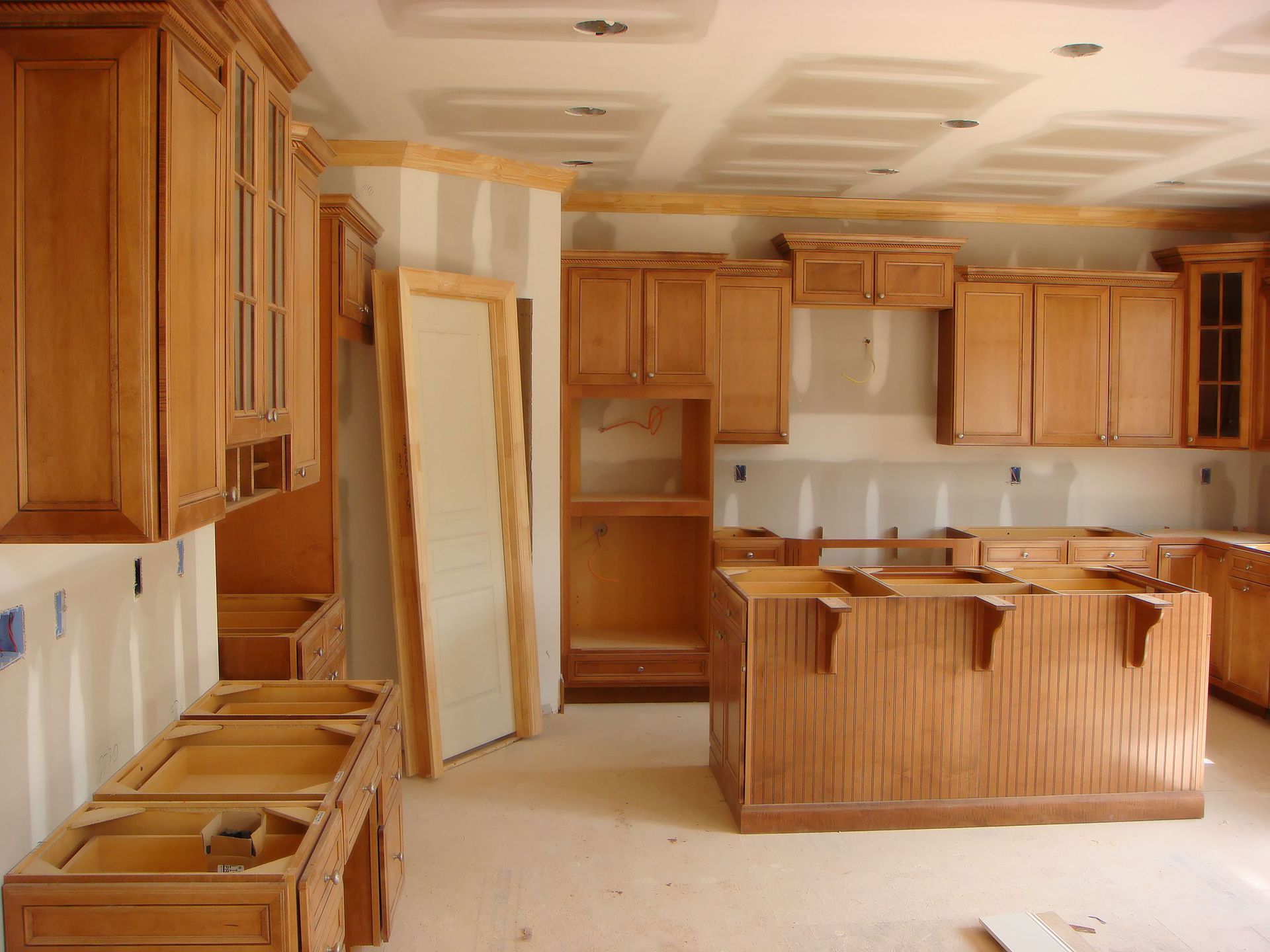
Even carefully selected hardware can look disorganized if placement varies unnecessarily across the room. Establishing consistent mounting positions helps create a clean appearance and makes doors and drawers easier to use. Door knobs are commonly placed near the opening edge, while pulls may be positioned horizontally on drawers and vertically on doors, depending on the design. The appropriate placement can vary according to cabinet construction, door proportions, and personal preference. Before drilling holes, measure each location and use a template to maintain consistent spacing. This is particularly important when several drawers or doors appear next to one another. If existing cabinets already have hardware holes, account for those measurements when selecting replacement pieces. Careful installation helps the different finishes and shapes look intentional and professionally arranged.
Florence Winteriors can help you explore cabinetry styles, finishes, and design details that complement your home's interior. Contact us to discuss your design goals and discover options for creating a cohesive, functional, and attractive space with thoughtfully coordinated cabinet hardware.




































Share On: