
How to Choose Complementary Bathroom Vanities and Cabinets
Selecting the right bathroom vanities and cabinets is essential for creating a space that is both functional and visually appealing. These elements go beyond simple storage solutions, serving as focal points that define the bathroom’s overall design. Thoughtful selection ensures that vanities and cabinets complement existing features, enhance the aesthetic harmony of the room, and provide practical usability. When chosen carefully, these components can transform a standard bathroom into a cohesive, stylish, and inviting environment. Understanding the methods for selecting complementary pieces ensures that your bathroom not only looks polished but also functions efficiently for daily use.
Understanding Your Bathroom Space
Before selecting bathroom vanities and cabinets, it is crucial to evaluate the available space accurately. Measurements should include floor area, height, and depth, taking into account potential plumbing or electrical considerations. Accurate measurements prevent issues such as overcrowding or oversized installations that can compromise both usability and aesthetics. Floor plans and sketches can help visualize how vanities and cabinets will fit, ensuring that every piece integrates seamlessly into the space.
Careful assessment also informs decisions about the scale and proportion of the vanities and cabinets. For example, a compact bathroom may require smaller or wall-mounted units to preserve flow, while a larger room allows for more substantial installations with added storage. Properly understanding your space prevents costly mistakes, improves layout planning, and ensures that new pieces complement existing fixtures rather than overwhelming them.
Identifying Focal Points
In any bathroom, certain elements naturally draw attention, including mirrors, tubs, or standout lighting fixtures. Identifying these focal points allows you to select vanities and cabinets that enhance or complement these features. Strategically placing your chosen pieces can either emphasize the most striking elements or create balance within the room’s design.
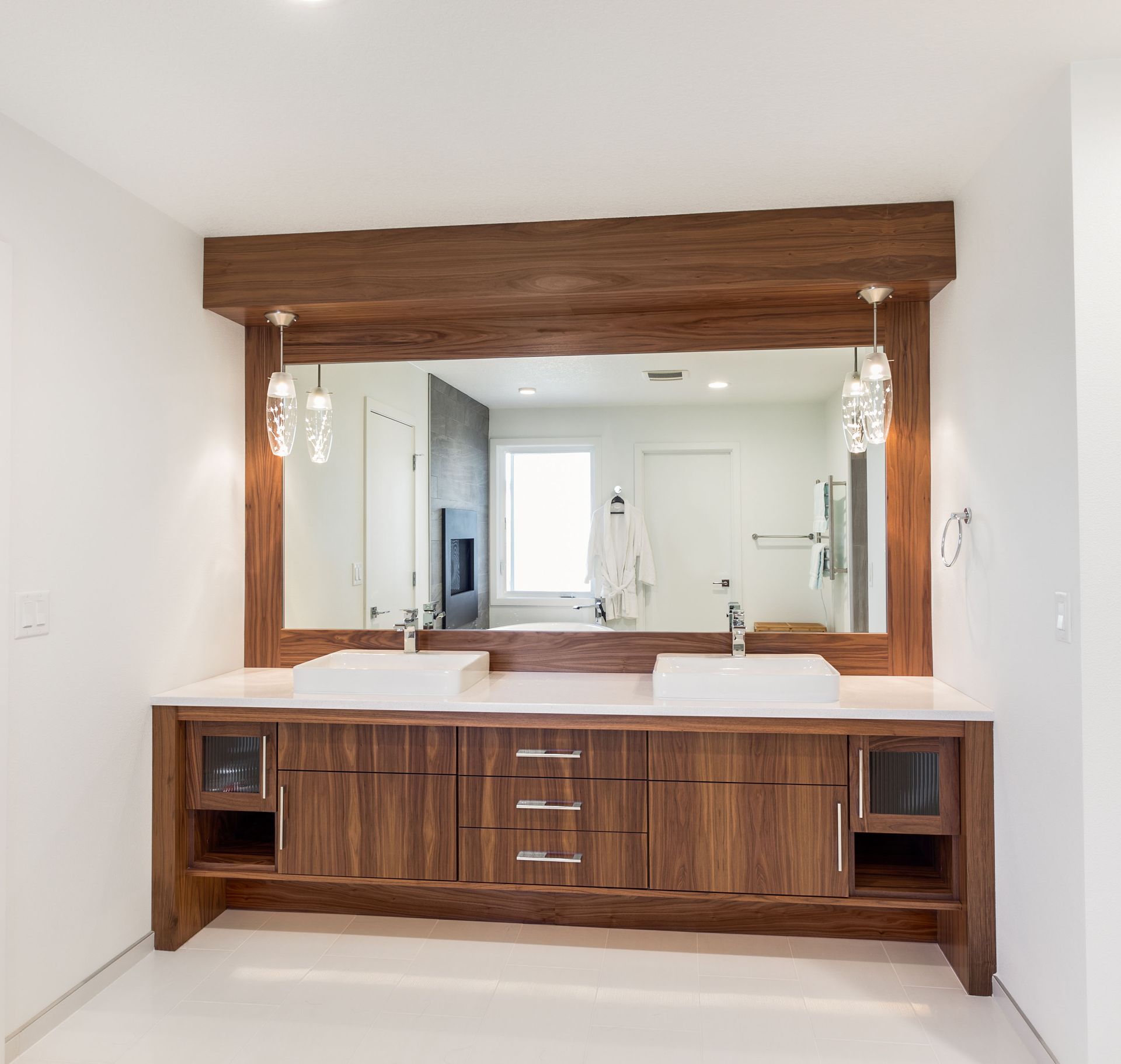
Bathroom vanities can serve as focal points themselves, especially when they feature unique finishes, colors, or design details. When integrated thoughtfully, they highlight the room’s best features while maintaining cohesion. By considering how these elements interact, homeowners can ensure that their selections contribute to both aesthetic appeal and functional accessibility.
Considering Layout and Flow
Effective layout planning is critical when selecting vanities and cabinets. Placement should optimize movement, ensuring that individuals can navigate the bathroom comfortably without obstruction. Consideration of door swings, traffic patterns, and interaction with other fixtures is essential to maintaining a balanced flow.
Different layouts suit varying bathroom sizes. A single-wall layout may be ideal for smaller bathrooms, conserving space while providing adequate storage. L-shaped or double-vanity configurations may work well in larger rooms, offering more storage and counter space without sacrificing circulation. Prioritizing the layout and flow plans ensures that the space feels open, functional, and welcoming.
Assessing Existing Fixtures
Before choosing new vanities and cabinets, it is important to evaluate existing elements such as sinks, toilets, and showers. Integration with these fixtures ensures a cohesive appearance and avoids functional conflicts. Matching or complementing materials, colors, and finishes helps maintain a polished look throughout the bathroom.
Assessing current features can also inform practical decisions, such as the height of vanities or the type of storage needed. For instance, coordinating cabinet hardware with existing faucets or fixtures creates visual unity. This process of evaluation helps ensure that the new pieces enhance both aesthetics and functionality while respecting the room’s established character.
Acknowledging Architectural Style
Your bathroom’s architectural style should guide the selection of vanities and cabinets. Whether the design leans traditional, modern, or transitional, aligning new installations with the room’s overall aesthetic ensures harmony. Architectural considerations influence choices regarding shapes, finishes, and hardware, helping to maintain consistency throughout the space.
Acknowledging the architectural style also encourages thoughtful selection of materials. Traditional bathrooms may benefit from ornate wood cabinets with carved details, while minimalist spaces favor sleek, streamlined vanity pieces. Aligning choices with style principles not only enhances visual appeal but also preserves the bathroom’s design integrity and contributes to a new and unified home aesthetic.
Exploring Material and Finish Options
Bathroom vanities are available in a wide range of materials and finishes, from solid wood and MDF to laminate and metal accents. Prefabricated cabinets offer convenience and cost-effectiveness, and according to Statista, almost 40% of cabinet purchases were prefabricated cabinets, with standard sizes, shapes, and colors. Custom finishes, on the other hand, allow for greater personalization and better alignment with the bathroom’s overall style.
Finishes affect both aesthetics and durability. High-quality coatings resist moisture, heat, and everyday wear, ensuring the longevity of vanities and cabinets. Selecting complementary finishes—such as matching wood tones, coordinating paint colors, or harmonized hardware—enhances cohesion and creates a polished, intentional look.
Balancing Functionality with Design
While aesthetics are important, bathroom vanities must also be practical. Considerations such as storage capacity, countertop space, and accessibility play a major role in selecting appropriate units. Well-designed bathroom vanities maximize organization, reduce clutter, and make daily routines more efficient.
Balancing design with functionality ensures that vanities meet both visual and practical requirements. Integrated storage solutions, pull-out drawers, or adjustable shelving can enhance usability without compromising the overall look. Functional design decisions elevate the bathroom’s appeal while providing real, everyday benefits.
Coordinating Colors and Textures
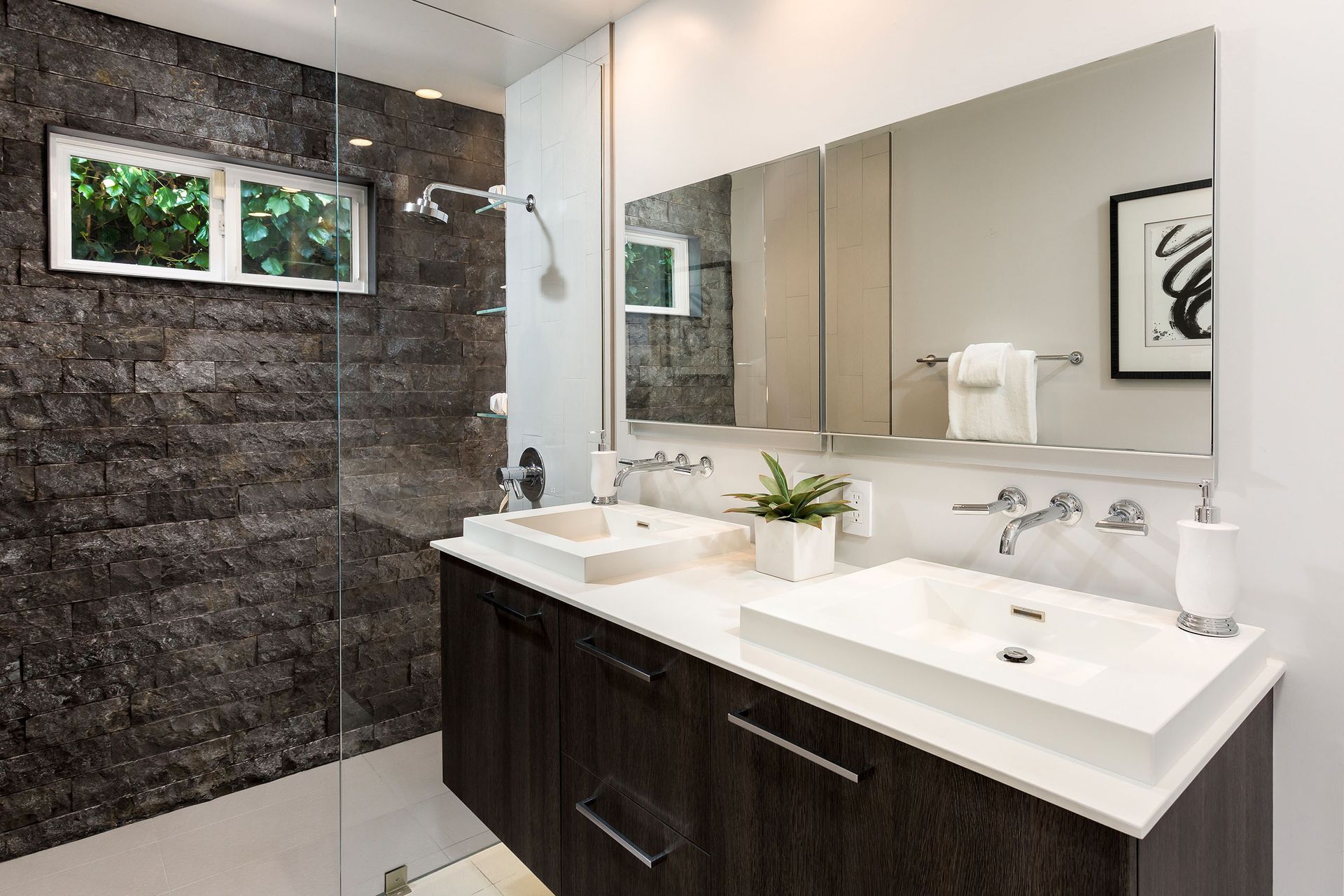
Color and texture are key elements in harmonizing vanities and cabinets with the rest of the bathroom. Coordinating tones with flooring, walls, and fixtures creates a unified appearance, while contrasting hues can provide visual interest and depth. Textures, from smooth lacquered finishes to distressed wood, add tactile and visual dimension to the space.
Strategic selection of colors and textures strengthens the overall design concept, ensuring that vanities feel like a natural extension of the bathroom rather than an isolated element. Thoughtful coordination enhances visual appeal and contributes to a sense of balance and elegance in the room.
Incorporating Lighting Considerations
Lighting influences both the functionality and perception of bathroom vanities and cabinets. Proper illumination highlights finishes, colors, and design details while providing adequate lighting for tasks such as grooming and makeup application. Considering natural light sources alongside artificial lighting ensures the space is both inviting and practical.
Well-placed lighting can also accentuate focal points, such as mirrors or decorative hardware, enhancing the room’s aesthetic impact. Integrating lighting considerations into the selection process ensures that the vanities not only complement the space visually but also improve the usability and ambiance of your space.
Reviewing Storage Needs
Storage requirements should guide your choice of bathroom vanities and cabinets. Assessing daily routines and typical items stored in the bathroom allows for selecting units that provide adequate space without overwhelming the room. Options such as drawers, shelves, and hidden compartments can improve organization and maintain a clean, uncluttered environment.
Considering storage needs also supports long-term functionality, ensuring that the bathroom remains practical as needs evolve. A well-planned combination of vanities and cabinets balances convenience with style, resulting in a space that is both attractive and efficient.
Planning for Budget and Future Flexibility
Budget considerations are essential when selecting bathroom vanities and cabinets. Understanding costs for materials, finishes, and installation helps ensure that design goals remain achievable. Prefabricated cabinets provide affordability, while custom pieces may demand higher upfront investment but offer unique personalization and durability.
Planning with flexibility in mind allows for future updates or reconfigurations. Choosing pieces that can accommodate potential renovations or technological upgrades ensures that the bathroom remains functional and visually appealing for years. Budget-conscious yet adaptable choices enhance both practicality and design longevity.
Choosing complementary bathroom vanities and cabinets involves a careful balance of aesthetics, functionality, and space planning. By evaluating your bathroom’s layout, existing fixtures, architectural style, and lighting, you ensure that new installations enhance both form and function. Incorporating thoughtful material and finish choices, while considering storage and user needs, results in a cohesive and inviting bathroom environment.
Ultimately, attention to detail in color coordination, design style, and practicality creates a bathroom that is visually appealing and highly functional. Homeowners who follow these methods can create a harmonious space where bathroom vanities and cabinets not only complement each other but also enhance the home's overall comfort and value. If you are looking for a new bathroom vanity in the Walton, KY area, contact the professional team at Florence Winteriors today for more.




































Share On: