
How New Kitchen Cabinets Redefine Your Kitchen
Kitchen cabinets play a central role in shaping both the appearance and functionality of a kitchen space. Beyond storage, cabinets influence layout, workflow, and the overall design direction of the room. When updated thoughtfully, new cabinets can completely transform how a kitchen looks, feels, and operates on a daily basis. According to Statista, over 30% of Americans reported buying new kitchen cabinets in 2025.
Aesthetic Kitchen Design
Kitchen cabinets set the foundation for the overall aesthetic direction of a kitchen space. Their visual impact extends beyond storage, influencing how countertops, flooring, and fixtures are perceived together. When designed and selected carefully, they help establish a cohesive and balanced environment that ties the entire room together.
Style Color Schemes and Finishes
Color and finish selection is one of the most impactful decisions in kitchen design. Cabinets often set the tone for the entire space, influencing how countertops, flooring, and fixtures are perceived. Neutral tones such as whites, creams, grays, and natural wood finishes remain popular due to their versatility and timeless appeal.
Compare Modern vs Traditional Styles
Cabinet style is a defining feature in any kitchen, and kitchen cabinets often establish whether a space feels modern or traditional. Modern cabinetry emphasizes clean lines, minimal ornamentation, and smooth surfaces that prioritize simplicity and function. These designs are commonly used in contemporary interiors where a streamlined look is preferred.
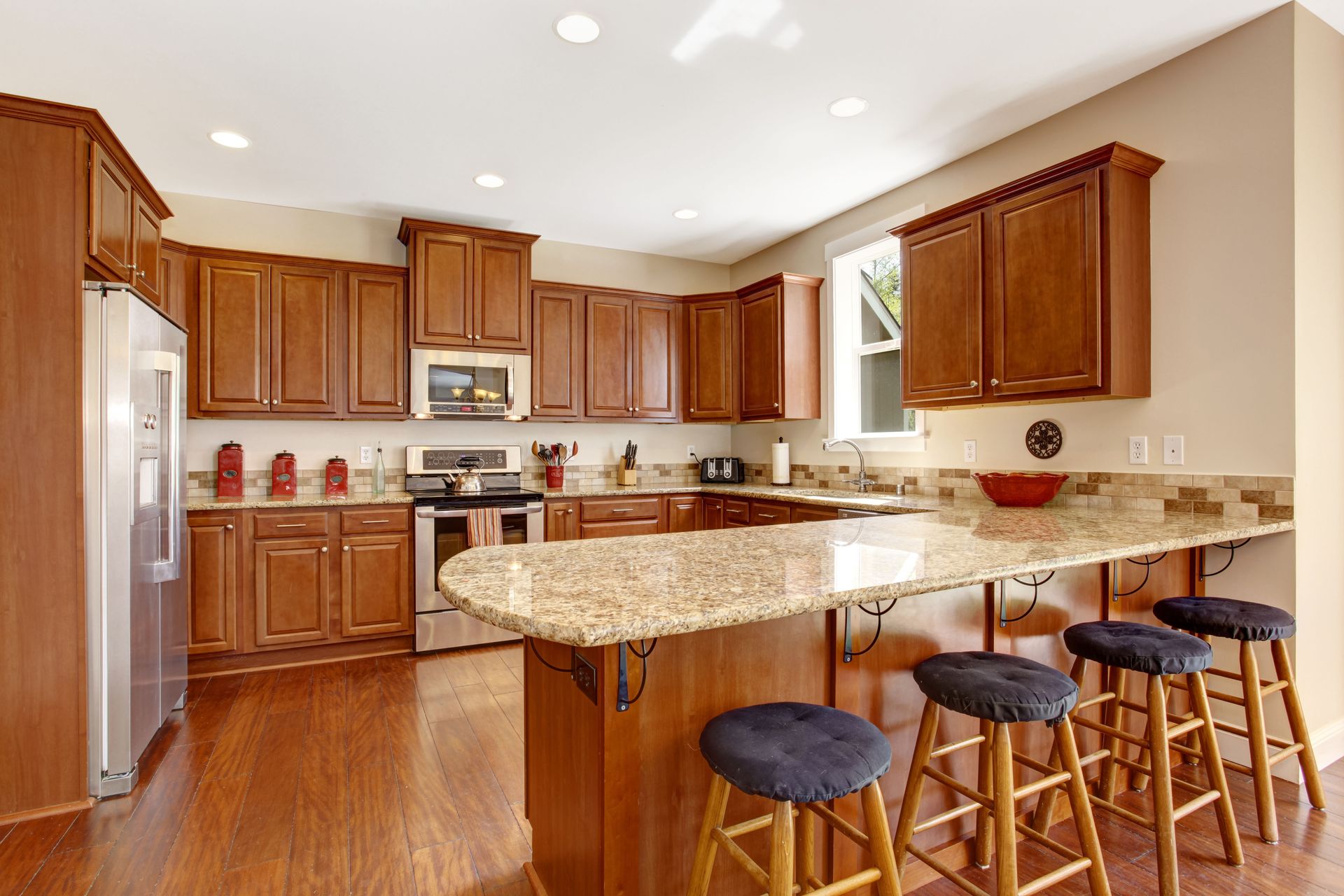
Traditional cabinetry incorporates more detailed craftsmanship, including framed doors, decorative molding, and richer wood tones. This style creates a warm and classic atmosphere that complements more traditional home architecture. Many spaces combine both approaches to achieve a balanced and transitional design.
Assess Material Selection
The materials used in cabinetry construction directly affect durability, appearance, and maintenance, and kitchen cabinets are no exception. Wood remains a widely used option due to its natural appearance and range of finishes. Different wood types offer unique grain patterns and color variations, allowing for a high degree of design flexibility in both kitchens and bathrooms.
Engineered materials are also commonly used in cabinetry manufacturing. These options can provide stability and consistency in finish while supporting a variety of surface styles that mimic natural materials. The choice between solid wood and engineered materials often depends on budget, design goals, and functional needs.
Plan Customization Options and Cabinet Selection Support
Kitchen cabinets allow homeowners to tailor their kitchen or bathroom design to better suit their space and lifestyle. A wide range of styles, finishes, and configurations makes it possible to create layouts that support both aesthetic preferences and functional needs. This flexibility helps ensure that each project aligns with the overall design vision.
Customization often focuses on practical layout choices such as shelving placement, drawer configuration, and storage organization. These elements help improve accessibility and ensure that cabinetry works efficiently within the available space. Thoughtful planning supports both usability and long-term satisfaction with the design.
Align Integration with Kitchen Design Elements
Cabinetry works best when it is selected as part of a coordinated design approach. The relationship between cabinets, countertops, sinks, faucets, and other fixtures plays a major role in the overall look and functionality of the kitchen. Careful coordination helps ensure all elements work together visually and practically.
When these elements are chosen together, the result is a more cohesive and balanced space. Material compatibility and color coordination help ensure that no single feature feels visually disconnected from the rest of the design. This approach supports a more unified final result.
Functional Kitchen Spaces
Organize Storage and Organization Options
Modern cabinetry offers a wide range of storage configurations designed to improve organization and efficiency, and kitchen cabinets play a central role in that function. Deep drawers, adjustable shelving, and built-in dividers help make better use of available space while keeping items accessible. These features support more efficient use of both small and large kitchen layouts.
Maximize Space Utilization
Efficient use of space is a key consideration in cabinetry design. Well-planned layouts help maximize storage capacity while maintaining a clean and open feel within the room. This balance is especially important in compact kitchens where space is limited.
Features such as vertical storage, corner cabinetry solutions, and adjustable shelving allow homeowners to make the most of both large and small spaces. These design choices help ensure that every available area serves a practical purpose. The result is a more organized and usable environment.
Improve Accessibility and Organization
Accessibility is an important aspect of cabinetry design. Features such as pull-out drawers, full-extension shelving, and well-placed storage zones help make everyday use more efficient. These elements support smoother movement within the kitchen space.
Organizational elements such as dividers and inserts allow for better separation of kitchen tools and supplies. This helps streamline daily tasks such as cooking, cleaning, and preparation. A structured layout reduces unnecessary searching and improves workflow.
Enhance Functional Cabinet and Fixture Enhancements
Cabinetry and fixture selections contribute significantly to the overall usability of kitchen and bathroom spaces. Practical enhancements such as durable finishes, smooth-operating hardware, and well-constructed storage systems improve long-term performance. These elements work together to support everyday use.
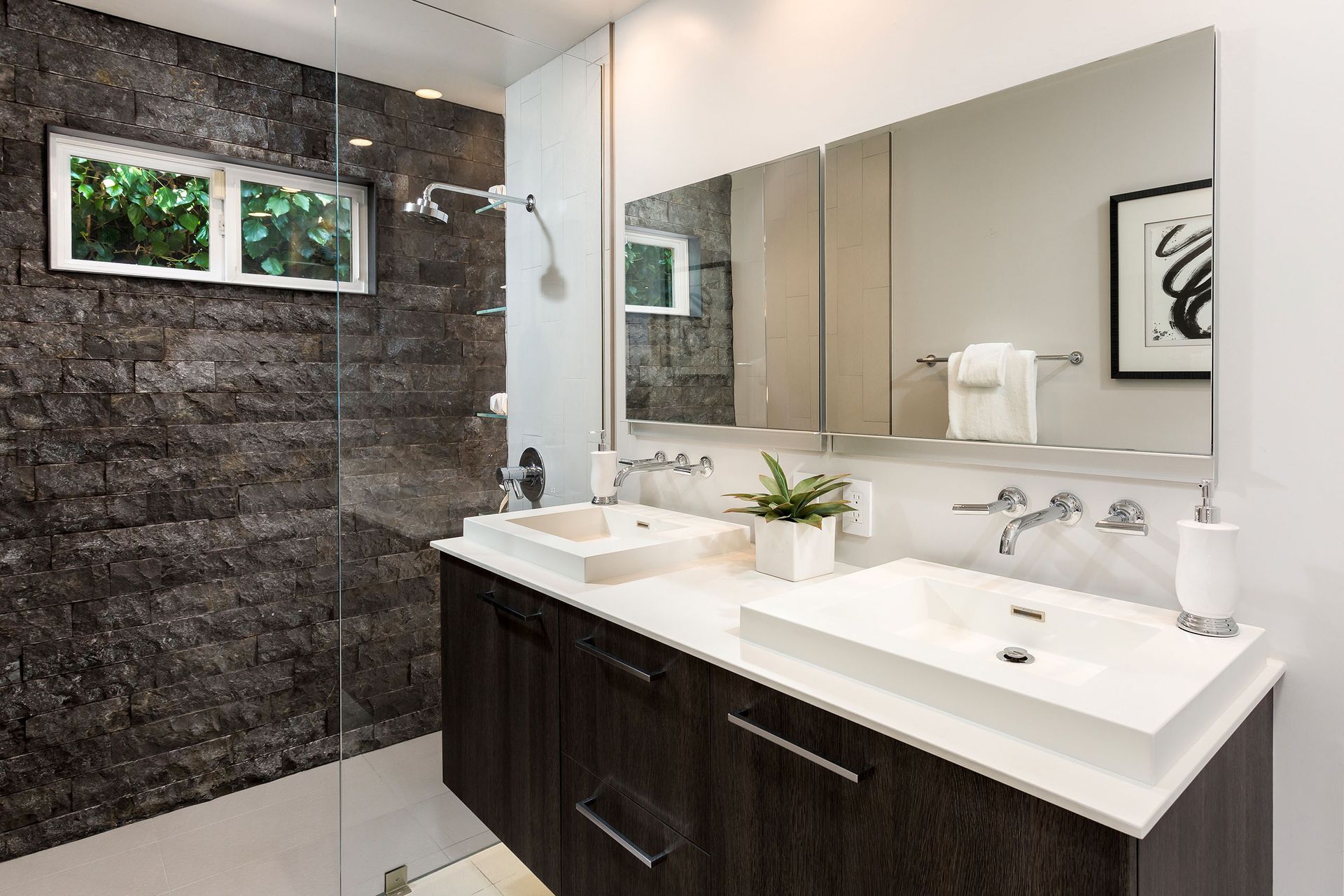
In addition to cabinetry, plumbing fixtures such as sinks, faucets, bathtubs, and shower systems play a key role in everyday functionality. Selecting compatible fixtures alongside cabinetry ensures a more cohesive and efficient design outcome. This coordination helps unify both form and function.
Configure Custom Shelving and Interior Configuration
Custom shelving configurations allow cabinetry to be adapted to different storage needs. Adjustable shelves provide flexibility for storing items of varying sizes, while dedicated compartments help organize specific categories of kitchen or bathroom essentials. This adaptability supports a more tailored design approach.
Interior cabinet design can be tailored to support both practical storage and long-term adaptability. As needs change over time, flexible shelving systems allow for adjustments without requiring full replacements. This helps extend the usefulness of the cabinetry.
Practical Kitchen and Bathroom Value
Evaluate Value of Kitchen and Bathroom Upgrades
Updating kitchen and bathroom spaces is one of the most common ways to improve the overall appeal of a home, and kitchen cabinets are often a central part of that upgrade. New cabinetry, countertops, and fixtures contribute to a more modern and functional environment. These improvements help refresh the overall appearance of key living spaces.
These improvements often enhance both the usability and visual presentation of key living spaces. A well-designed kitchen or bathroom can make a strong impression and improve the overall perception of the home. This contributes to a more cohesive and updated interior.
Boost Design Appeal and Buyer Interest
Updated kitchens and bathrooms are often a major focus for potential buyers when evaluating a property. Clean, coordinated cabinetry and modern fixtures help create a strong visual impression. This can influence overall perception of the home’s condition.
A cohesive design that integrates cabinetry with countertops and fixtures contributes to a more polished and complete look. This attention to detail can enhance the overall attractiveness of the home. It also supports a more unified visual presentation.
Support Long-Term Practical Benefits
Beyond appearance, updated cabinetry provides long-term functional benefits. Improved storage, better organization, and more durable materials contribute to easier daily use. These improvements enhance everyday living.
Well-planned cabinetry systems help support efficient routines in both kitchens and bathrooms. Over time, these improvements contribute to a more comfortable and usable living environment. This creates lasting value for homeowners.
By combining functionality with design, cabinetry upgrades provide lasting value for homeowners. They support both practical needs and aesthetic goals. This balance makes them a meaningful part of home improvement projects.
For those looking to explore a wide range of cabinetry, countertops, and kitchen and bathroom fixtures with in-person design guidance and showroom support, Florence Winteriors offers a dedicated showroom experience. Learn more to see how these selections can come together for your next project.




































Share On: