
8 Ways to Make Your Bathroom Accessibility Friendly With the Right Bathroom Vanities
Bathroom accessibility proves essential for aging-in-place plans, mobility limitations, and creating inclusive homes accommodating all family members and visitors safely. Traditional bathroom designs often create barriers that vanity selection and placement can address, improving usability for everyone regardless of physical capabilities. Understanding how to choose and position vanities for accessibility helps you create functional bathrooms that independence and safety require. The difference between bathrooms that accommodate diverse needs and those creating daily struggles often comes down to thoughtful fixture selection. Learning what makes vanities accessible empowers you to design bathrooms serving current needs while adapting to future requirements effectively.
1. Selecting Appropriate Vanity Heights for Accessibility
According to Archive Market Research, the accessible shower market size in 2025 is estimated at over $2 billion. Standard vanity heights around 32-36 inches prove too tall for wheelchair users requiring lower counters for comfortable sink access. Adjustable-height or lower vanities at 28-30 inches accommodate seated use while remaining functional for standing users with slight inconvenience. The height consideration that inclusive design demands balances wheelchair accessibility against standing user preferences, sometimes requiring compromise or custom solutions. Accessible bathroom vanities installed at appropriate heights allow wheelchair users to reach sinks comfortably, improving independence and usability for mobility-challenged individuals. Lower installations benefit children and shorter adults while allowing wheelchair access that standard heights prevent through excessive counter elevation. The height accommodation they provide proves essential for bathroom usability when wheelchair access or seated use becomes necessary during daily routines.
2. Ensuring Adequate Knee Clearance Underneath
Open space beneath sinks allows wheelchair footrests and knees to fit under vanities, enabling a close approach that enclosed cabinets prevent. This clearance requires a minimum height of 27 inches, 30 inches minimum width, and 19 inches minimum depth for wheelchair accommodation. The knee space that accessibility demands eliminates traditional storage cabinets beneath sinks, requiring alternative storage solutions to compensate for lost cabinet space. Open-design bathroom vanities provide knee clearance, allowing wheelchair users to position themselves close enough for comfortable sink reach and use. Wall-mounted vanities create necessary open space while offering sleek modern aesthetics that traditional cabinets cannot match, despite storage advantages. The clearance they provide proves essential for independent bathroom use when wheelchair mobility requires a close sink approach that enclosed cabinets prevent.
3. Installing Wall-Mounted Vanities for Flexibility
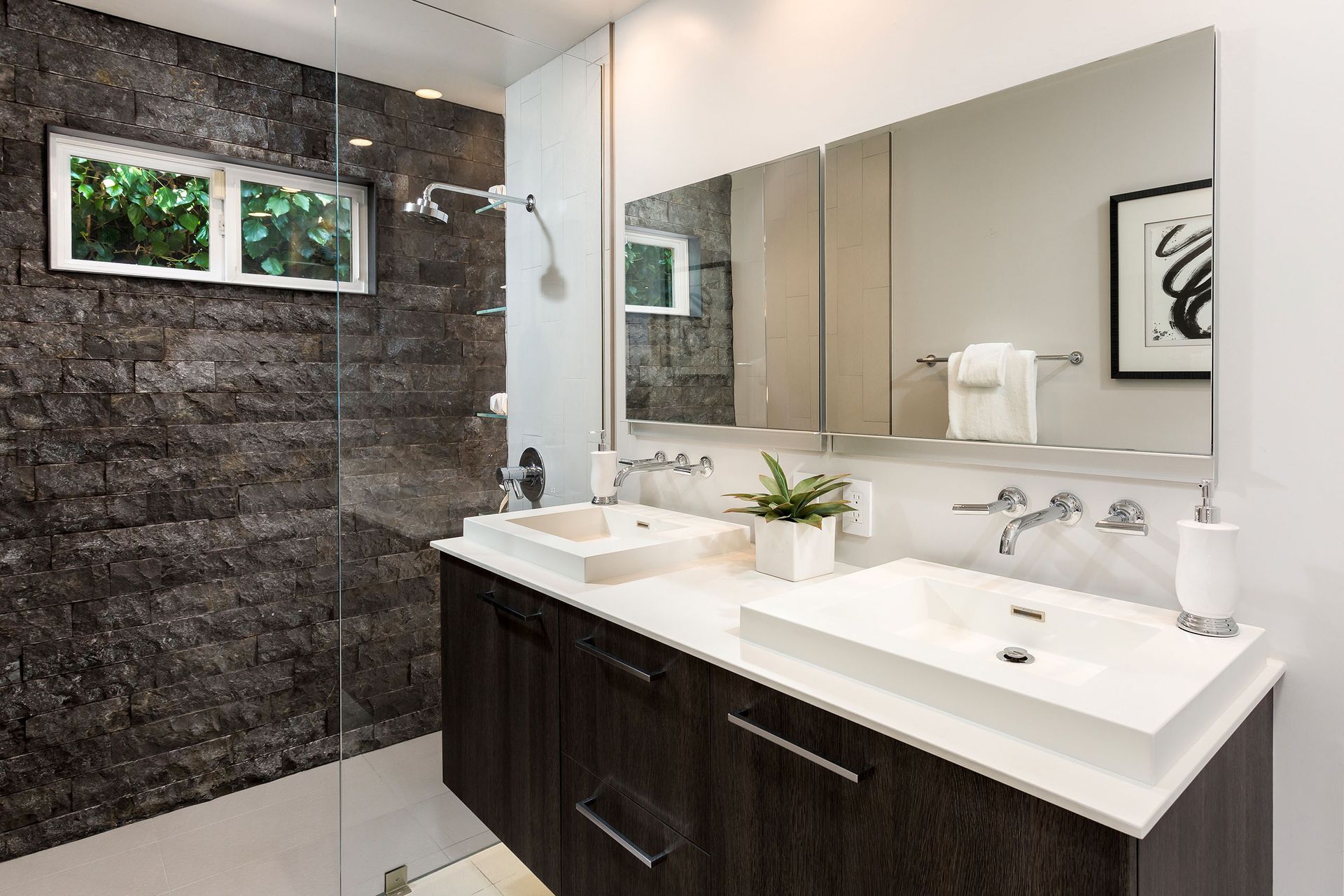
Wall-mounted vanities adjust to any height during installation, allowing customization for specific user needs rather than accepting standard dimensions. These floating designs create open floor space beneath, improving wheelchair maneuverability while providing the knee clearance that accessibility requires. The installation flexibility that wall mounting provides allows perfect height positioning for primary users while permitting future adjustments if needs change. Adjustable bathroom vanities mounted to walls rather than floor-standing offer height customization, matching specific user requirements for optimal accessibility and comfort. The floating design improves cleaning accessibility, creates modern aesthetics, and allows the floor clearance that the wheelchair turning radius requires. The flexibility they offer proves valuable when multiple users need different heights or when future accessibility needs might require modifications.
4. Choosing Shallow-Depth Vanities for Easier Reach
Standard 21-inch-deep vanities require extensive reach that mobility-limited users struggle to achieve, particularly when accessing faucets positioned at back edges. Shallow vanities at 16-18 inches deep reduce reach distances, making faucets and storage more accessible for users with limited range. The depth reduction that accessibility demands sometimes conflicts with storage needs, requiring careful planning to balance reach and cabinet capacity. Shallow-depth bathroom vanities reduce the reach distances that deep counters create, improving accessibility for users with limited arm mobility or strength. The reduced projection minimizes the distance to faucets and items, allowing easier access despite physical limitations affecting reach and strength. The reach accommodation they provide proves particularly valuable for arthritis sufferers or those with limited upper body mobility affecting daily bathroom use.
5. Selecting Faucets With Lever or Touchless Operation
Traditional twist faucets require grip strength and dexterity that arthritis or limited hand function make difficult or impossible. Lever handles or touchless sensors eliminate these barriers, allowing water control without the grip that traditional knobs demand. The faucet selection that accessible vanities require considers operation ease, ensuring all users can control water regardless of hand strength. Accessible bathroom vanities incorporate lever-handle or touchless faucets, eliminating the grip strength that traditional knobs require for water control and temperature adjustment. These user-friendly controls accommodate arthritis, limited dexterity, and various conditions affecting hand function that conventional faucets prove difficult to operate. The operational ease they provide proves valuable for aging users, children, and anyone whose hand function makes traditional faucet operation challenging.
6. Providing Adequate Maneuvering Space Around Vanities
Wheelchair users require 60-inch diameter turning circles or T-shaped clear floor space for maneuvering, affecting vanity placement relative to other fixtures. This space requirement influences bathroom layouts, sometimes necessitating fixture repositioning or bathroom expansion to accommodate wheelchair navigation requirements fully. The spatial planning that accessibility demands considers not just vanities but relationships between all fixtures, ensuring adequate maneuvering room throughout bathrooms. Properly positioned vanities leave adequate clear floor space, allowing wheelchair users to maneuver, turn, and access fixtures without obstruction. Layout planning considers door swings, toilet proximity, and shower access, ensuring vanities don't compromise the circulation that wheelchair mobility requires. The space allocation they require affects overall bathroom design, sometimes necessitating layouts prioritizing accessibility over traditional fixture arrangements and configurations.
7. Incorporating Anti-Scald Protection in Faucets
Users with limited sensation or mobility risk burns from excessively hot water that anti-scald faucets prevent through temperature limiters. These safety features prove particularly important when cognitive or sensory impairments affect the awareness that scalding dangers create. The safety consideration that accessible bathrooms demand includes protecting vulnerable users from the burn risks that impairments create. Safety-equipped bathroom vanities include faucets with anti-scald technology protecting users from burn injuries that limited sensation or reaction time might allow. Temperature-limiting valves prevent water from exceeding safe levels regardless of water heater settings, protecting vulnerable users from scalding injuries consistently. The burn protection they provide proves essential when cognitive impairments, neuropathy, or limited mobility affect the awareness and reaction that avoiding scalds requires.
8. Choosing Vanities With Rounded Edges for Safety
Sharp corners create injury risks, particularly concerning for users with balance issues, limited vision, or wheelchair transfers, where contact is likely. Rounded or beveled edges reduce injury severity when contact occurs, providing safer environments for users with various physical limitations. The edge design that safety-conscious selection emphasizes protects vulnerable users from the cuts and bruises that sharp corners create. Safely designed bathroom vanities feature rounded or beveled edges, reducing injury risks when balance problems or transfers create contact with counter edges. The smooth edges minimize harm from the bumps and contacts that mobility challenges make more frequent throughout daily bathroom use. The safety consideration they represent proves particularly important for users prone to falls or those transferring from wheelchairs, where edge contact proves common.
Understanding how vanity selection affects bathroom accessibility helps you create spaces serving diverse needs while maintaining aesthetics and functionality. The thoughtful design choices that accessible bathrooms require prove valuable for everyone, not just those with current mobility limitations. Making informed vanity decisions ensures bathrooms accommodate present needs while adapting to future requirements that aging and changing capabilities create. Whether you need plumbing fixtures, cabinetry supplies, faucet fixtures, countertops, toilets, tubs, shower units, or bathroom cabinetry, Florence Winteriors brings over 100 years of combined experience, offers free same-day design consultations, and employs fully licensed and insured professionals. For more information, contact us today!




































Share On: