
What to Know Before Buying New Kitchen Cabinets: A Homeowner’s Checklist
A kitchen renovation can be both thrilling and overwhelming, with kitchen cabinets often taking center stage. These cabinets do more than store items—they shape the functionality, organization, and overall aesthetic of your kitchen. Selecting the right kitchen cabinets requires thoughtful consideration of budget, style, material, and layout. Making informed decisions ensures your renovation is both practical and visually appealing, saving time, money, and frustration in the long run.
Kitchen cabinets play a critical role in both everyday life and long-term investment value. Poorly chosen cabinets can limit storage, disrupt kitchen flow, and reduce the overall appeal of your home. On the other hand, carefully selected and properly installed cabinets enhance efficiency, support meal preparation, and elevate the design of your space. Before purchasing new kitchen cabinets, it’s important to have a clear plan, understand the range of options available, and evaluate how each choice impacts your daily kitchen use.
Determine Your Budget
Understanding how much you can spend on kitchen cabinets is essential. Start by evaluating your overall renovation costs, which include not only the cabinets themselves but also fixtures, installation, and any structural changes. Kitchen cabinets are among the most visible and frequently used components of a kitchen, so allocating a significant portion of your budget to them is a smart decision.
Obtaining multiple quotes from suppliers and contractors helps ensure competitive pricing and prevents overspending. Cabinets come in a wide range of prices, influenced by materials, craftsmanship, and brand reputation. Stock cabinets are typically affordable, while custom cabinetry offers a personalized design at a higher cost. Striking a balance between price and durability is key. Investing in quality materials and professional craftsmanship may require a larger upfront payment but can save money over time by reducing the need for repairs or replacements.
Financing options can also make purchasing kitchen cabinets more manageable. Many suppliers offer low-interest or interest-free plans, and certain credit cards provide rewards for larger home improvement purchases. Don’t forget to budget for installation costs. Professional installation ensures proper fit and longevity, and labor can sometimes cost as much as the cabinets themselves. Factoring in these expenses early prevents unwelcome surprises and keeps your renovation on track.
Choose Your Cabinet Style
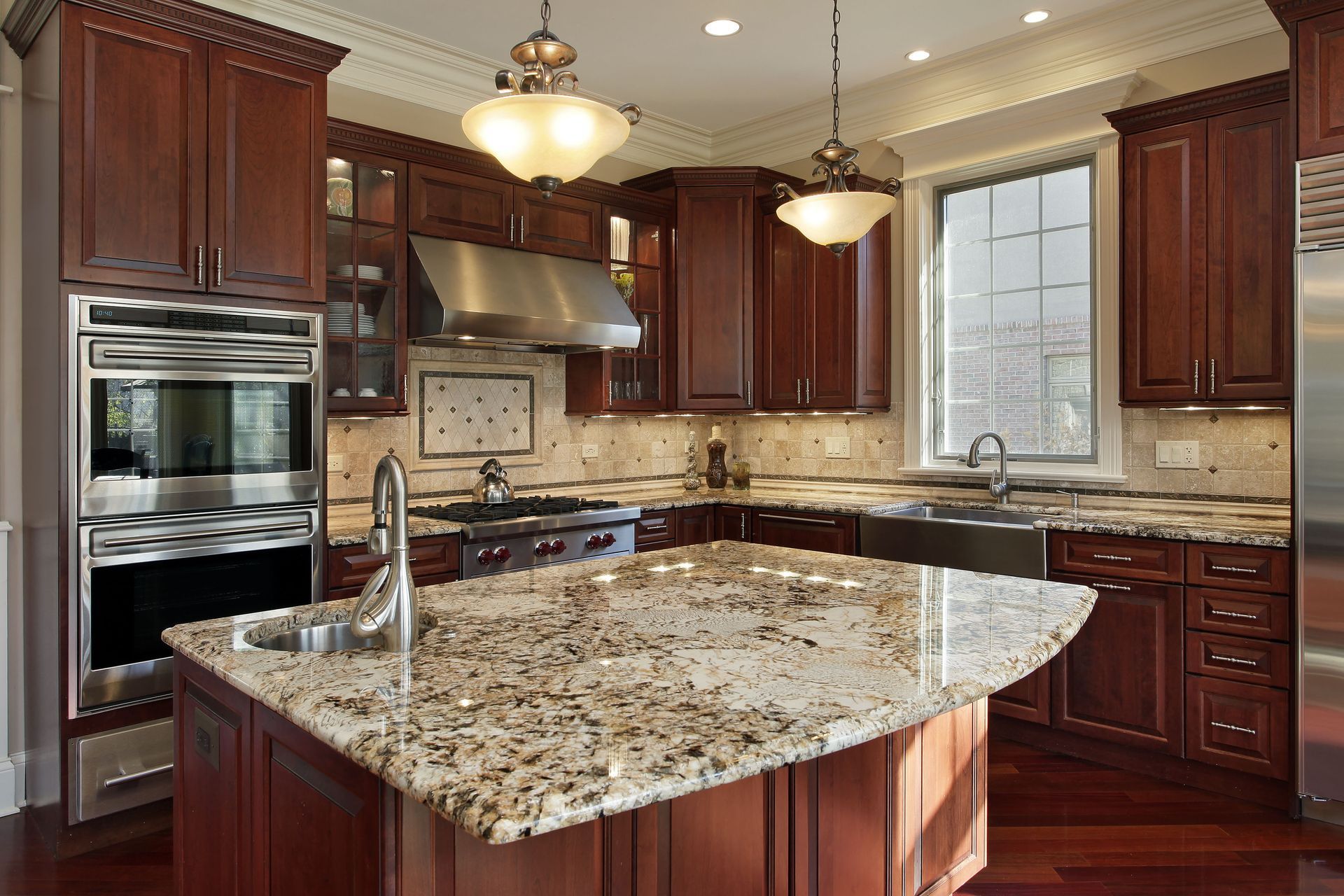
Selecting the style of your kitchen cabinets is critical for creating a cohesive and functional kitchen design. Traditional cabinets often feature raised panel doors and warm wood tones, while modern designs favor sleek lines, minimal hardware, and materials such as glass or metal. The style you choose should reflect both your personal taste and your home’s existing décor.
Finishes further define the kitchen’s look. Painted cabinets can provide vibrant color and a modern touch, stained wood offers warmth and classic appeal, and natural finishes highlight the beauty of the wood grain. Hardware—knobs, handles, or pulls—also plays a key role in both function and design. Some modern kitchens even feature handleless cabinets for a minimalist, sleek appearance.
Finally, ensure your kitchen cabinets complement the overall theme of your space. Cohesion between cabinets, countertops, flooring, and appliances creates a polished, inviting environment. Professionals often suggest using mood boards to visualize how all elements will work together. Thoughtful design ensures your cabinets enhance your kitchen rather than clash with it.
Measure Your Kitchen Space
Accurate measurements are essential for fitting new kitchen cabinets seamlessly into your space. Measure height, width, and depth carefully, accounting for walls, appliances, and existing fixtures. Professional measuring services are often worthwhile to avoid costly mistakes or misaligned cabinets.
A well-planned layout maximizes kitchen efficiency. Concepts like the “work triangle,” which optimizes the distance between the stove, refrigerator, and sink, can greatly improve usability. Consider how frequently you use different kitchen items and plan cabinet placement accordingly. Decide whether custom or standard sizes work best for your space. Custom cabinets offer a tailored fit and unique style, while standard options are more economical and readily available.
Finally, account for appliances and utility placements. Proper integration of plumbing, electrical, and gas hookups prevents gaps and ensures your kitchen cabinets fit seamlessly around essential fixtures. This foresight saves time and prevents functional problems after installation.
Consider Cabinet Functionality
Functionality is a central consideration when selecting kitchen cabinets. Begin by evaluating storage needs, including shelves, drawers, and specialized compartments for utensils, cookware, or pantry items. Take stock of your current cabinets to identify what improvements would best suit your lifestyle. Families that cook frequently or entertain often may need more extensive and versatile storage solutions.
Innovative storage solutions optimize space and reduce clutter. Pull-out shelves, deep drawers with dividers, spice racks, and smart corner cabinets help maximize every inch of available storage. Accessibility features, such as adjustable shelving and lower-level pull-out drawers, make your kitchen easier to navigate for everyone, including children and those with limited mobility.
Soft-close mechanisms are highly recommended, reducing noise and preventing damage from slamming doors and drawers. Integrated lighting, such as LED strips under cabinets or interior cabinet lights, enhances visibility and adds aesthetic appeal. Thoughtfully designed functionality ensures your kitchen cabinets remain practical, user-friendly, and visually appealing for years to come.
Research Quality and Brand Reputation
The longevity of your kitchen cabinets depends heavily on material quality and brand reputation. Durable materials, such as solid wood, plywood, and premium laminates, withstand daily wear and tear and enhance visual appeal. Choosing high-quality materials is an investment that pays off through increased functionality and longer-lasting beauty.
Customer reviews and testimonials provide insight into real-world performance, installation experiences, and overall satisfaction. Consistently positive feedback indicates reliable craftsmanship and service. Industry certifications, such as the KCMA seal, confirm adherence to rigorous standards of safety, quality, and environmental responsibility.
Warranty policies are another important factor. Comprehensive warranties indicate a manufacturer’s confidence in their product and provide protection against defects. Additionally, consulting professionals, including designers or contractors, can provide expert recommendations on brands and styles that align with your renovation goals, ensuring that your kitchen cabinets meet both aesthetic and functional expectations.
Plan for Professional Installation
Professional installation is vital to maximize the performance and lifespan of your kitchen cabinets. Research qualified contractors with proven experience in various cabinet styles and layouts. According to Statista, over 30% of Americans reported buying new kitchen cabinets in the past year, highlighting the importance of skilled installers who understand diverse designs and kitchen configurations.
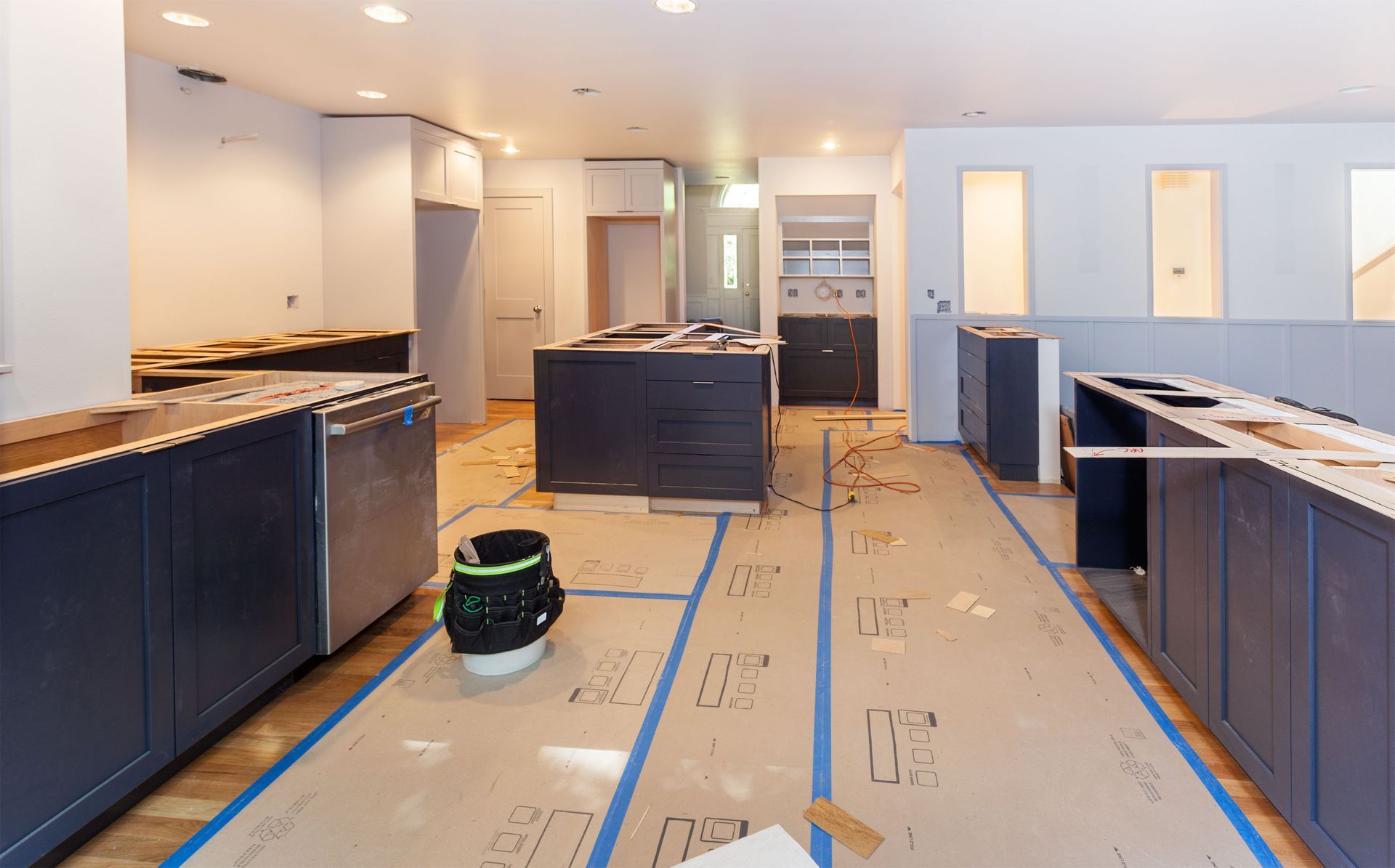
Compare installation quotes to budget realistically and understand what services are included, from removal of old cabinets to adjustments and finishing touches. Being knowledgeable about the installation process helps set expectations and allows you to plan around potential disruptions. Schedule installation during a period when being without a fully functional kitchen is least disruptive, and allow for possible delays to avoid rushed work.
Post-installation support is also critical. Contractors should provide assistance for adjustments, maintenance, or repairs, ensuring your kitchen cabinets remain functional and visually appealing over time. Proper installation protects your investment and contributes to a smooth, stress-free renovation experience.
Investing in new kitchen cabinets requires careful planning and research. By considering budget, style, measurements, functionality, quality, and professional installation, homeowners can make informed decisions that enhance both the practicality and beauty of their kitchen. Thoughtful selection of materials, finishes, hardware, and layout ensures cabinets that support daily use while elevating your space.
With careful planning and expert guidance, your kitchen cabinets can transform your kitchen into a stylish and highly functional area. For personalized assistance in selecting and installing the perfect kitchen cabinets, trust Florence Winteriors to bring your dream kitchen to life.




































Share On: